How to Extend the Life of Your Best Content Using Audio Formats
You invested weeks into that original research piece. You devoted days refining a thought leadership essay, one that encapsulates your brand’s philosophy so eloquently. And yet, you click “publish,” share it on LinkedIn, and watch your traffic soar, only to return to normal 48 hours later.
That’s content decay in a nutshell. And marketers are stuck in this cycle. You create content, you promote content, you abandon. And you’re left with burnout and decreased ROI.
Your brilliant ideas shouldn’t have an expiration date. If your audience is too busy to sit down and consume a 2,000-word whitepaper, they’re not ignoring you. They’re just multi-tasking. They’re commuting, exercising, or walking their dog.
To reach them, you need to transition from screen to earbuds. Audio content isn’t just a new channel.
It’s a new life for your content. Audio content bridges the space between a lead and a listener, a level of intimacy that written content can’t match.
Why Audio is the “Unlock” for Modern Content Strategy
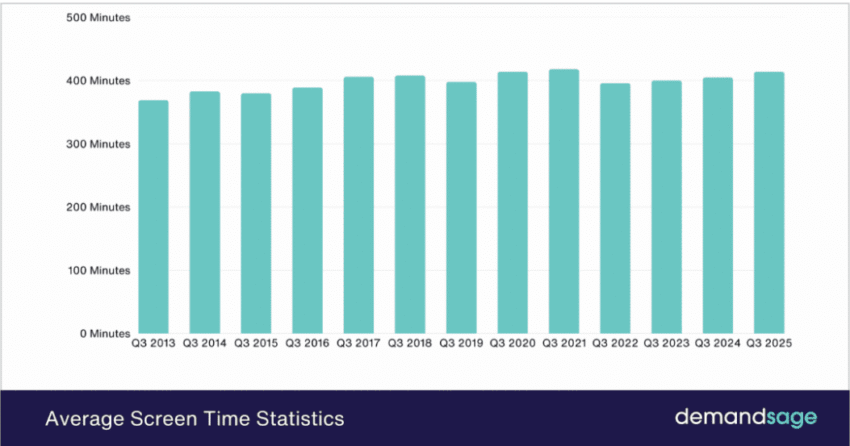
Before we go into the tactics, we must recognize the change in consumer behaviors. Screen fatigue is a very real thing. According to recent industry data, the average professional is looking at a screen for more than seven hours a day.
When a consumer closes their laptop, they’re not closing off their desire for information consumption. Instead, they’re engaging in passive consumption. This is the “eyes-busy, ears-open” consumer market.
- Multitasking capability: Audio is the only media form that doesn’t demand 100% visual attention from the consumer.
- Emotional connection: Tone, sarcasm, empathy, and authority are much easier to convey with the human voice than any font choice.
- Accessibility: Making audio versions of your information increases your brand’s accessibility to consumers with visual impairments or learning differences.
11 Strategic Ways to Repurpose Your Content for the Ear
Repurposing is the ultimate hedge against content decay. It allows you to take the intellectual property you’ve already invested in and deploy it across a channel with significantly higher engagement rates. Here is how to build your audio ecosystem.
1. Convert High-Performing Blogs into Narrated Articles
The easiest way to begin is to offer your visitors the option to listen to your content. Long blog posts are like a goldmine for audio content.
Many people prefer “listening” to a blog post while they’re doing chores instead of scrolling through a mobile device.
You can use tools like ElevenLabs or Play.ht to create high-quality, AI-generated narrations that sound incredibly human.
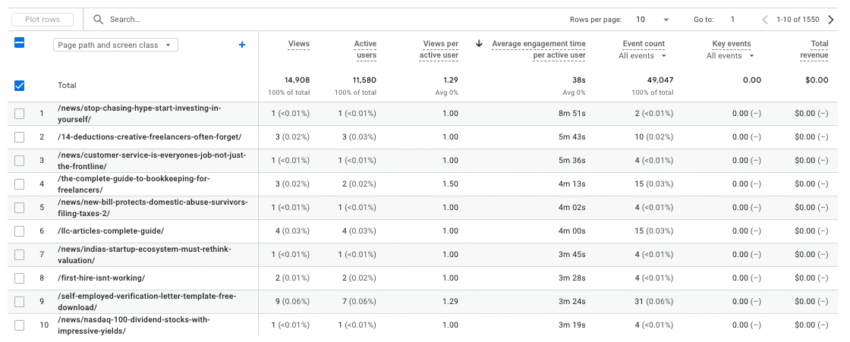
You can embed this audio player at the top of your blog post. This increases “Time on Page,” which is a crucial metric for SEO.
But don’t just read the text aloud. Create a short, informal introduction to make it sound like a personal message to the reader.
2. Transform Research Data into “Audio Snacks”
If you’ve done original research, then you’ve got a wealth of statistics at your disposal that are great for social media. Instead of doing a static infographic, consider turning your statistics into 60-second audio clips.
You can use a tool like Headliner to create audiograms, which are static images with a moving waveform and text.
These do much better than static images on LinkedIn and X.
- Highlight one unexpected statistic in the clip.
- Share the “why” behind the statistic.
- Share your full report in the show notes or comments.
3. Take Advantage of Captive Audiences with Podcast Advertising
Podcasts have become one of the most trusted media environments for audiences. Listeners often spend 30 minutes or more with a single episode, creating a level of attention that’s difficult to replicate with other digital channels.
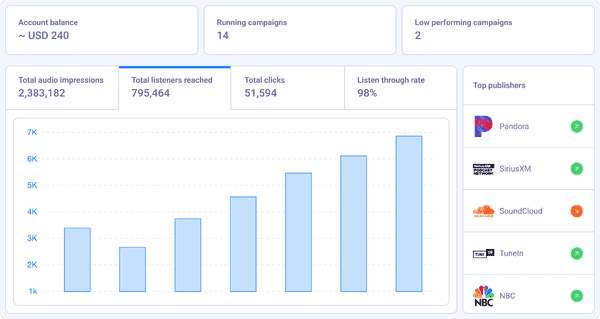
For marketers looking to extend the reach of their existing content, podcast advertising offers a powerful entry point into this ecosystem. Instead of launching your own show, you can promote your ideas, reports, or thought leadership within podcasts your audience already listens to.
Audio ads work particularly well for amplifying existing content. For example, a short ad can highlight a key insight from a report, invite listeners to explore a resource, or introduce a new perspective on an industry issue.
Platforms like AudioGo allow marketers to place targeted audio ads across podcasts and streaming platforms, helping brands reach listeners based on demographics, interests, and listening behavior.
By meeting audiences inside the shows they already trust, audio advertising helps extend your content strategy beyond the screen and into the moments when people are commuting, exercising, or multitasking.
4. Turn Case Studies into Audio Testimonials
Case studies are often dry. They follow the “Challenge, Solution, Result” format. Audio changes that by adding emotion.
Ask your client to jump on a 10-minute call on Zoom. Record the audio as they talk about the relief they feel when your solution solved the problem.
- Cut this into small pieces.
- Embed the audio next to the text quote in your case study.
- The human voice creates a trust factor that text does not.
5. Create an Audio Version of Your Newsletter
If you have a weekly newsletter, you’re already a content creator. However, inbox fatigue is real. An audio version of your newsletter, often called a private podcast, allows your subscribers to stay up to date without adding to their screen time.
For this to work best, it has to feel exclusive. It’s not a podcast. It’s a briefing. It should be under five minutes and focus on the “big idea” of the week.
6. Use Audio for Thought Leadership Distribution
Thought leadership is all about perspective. When you’re writing an opinion piece, you want to shift the reader’s mindset. And you can do that more quickly when they can hear the passion in your voice.
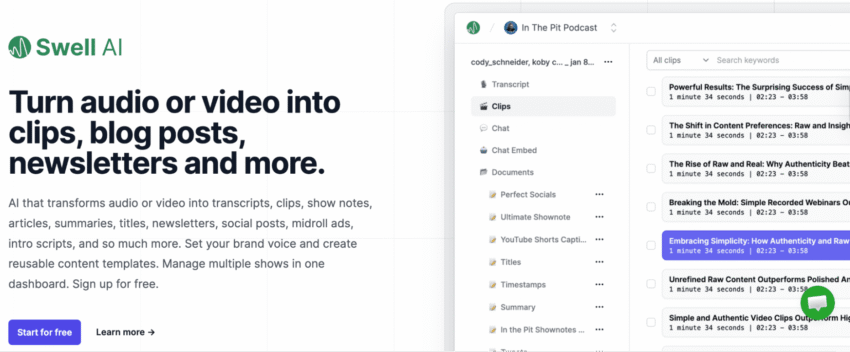
Take your most provocative or insightful LinkedIn posts and expand on them in short audio essays. Platforms like Swell are designed for these types of “micro-audio” conversations.
Tip: Do these while the thought is fresh in your mind. Authenticity is more important than production quality in this format.
7. Build an Audio Resource Library
Think of it as an “Audible for Your Brand.” Eventually, you’ll build up your collection of narrated blog posts, interview excerpts, and essays. You can create a library section of your site.
It’s nice for a busy marketer to be able to “binge-listen” to something they’re interested in. If they’re a marketer who cares about SEO, it should be possible for them to click a button and start listening to all of your content related to search strategy.
8. Create Audio “How-To” Walkthroughs
If you have technical “how-to” guides or documentation, repurpose the steps into an audio walkthrough.
Instead of making a user tab back and forth between a help document and your software, give them an audio guide they can listen to while they perform the task.
This reduces friction and improves the user experience. It shows that you’ve thought about the practical reality of how people actually use your products.
9. Develop “Flash Briefing” Style Skills
For brands with a high volume of news-driven content, repurposing your “Top News” or “Daily Tip” section into a smart speaker skill, like Alexa Flash Briefings, is a powerful way to become part of a user’s morning routine.
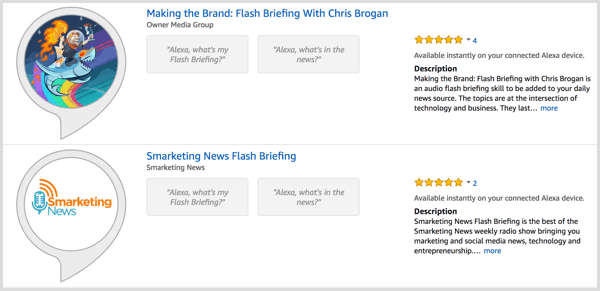
Once a listener subscribes, your 2-minute repurposed tip plays automatically alongside the morning news and weather.
It builds brand recall through daily, low-friction interaction.
10. Record Personable Q&A Responses
Static “Frequently Asked Questions” pages are usually where user engagement goes to die. They are functional but rarely memorable or persuasive. Audio responses turn a dry FAQ into a conversation.
Take the top five questions your sales team hears every week and record short, personable audio responses.
Instead of just reading a paragraph, the user can hear the expertise and confidence in your team’s voice. This humanizes the problem-solving phase of the buyer’s journey and addresses objections with a personal touch.
11. Curate Audio “Roundups” of Industry News
Most industries move at a breakneck pace, and your audience likely struggles to keep up with the weekly firehose of updates. If you already write a “Weekly Wrap-up” or “Industry News” blog post, you have the perfect script for a high-value audio asset.
Instead of just linking to external articles, record a 5-minute summary that provides your brand’s unique take on why these news items matter. This shifts you from being a mere aggregator to a trusted curator.
Busy professionals can get their weekly industry briefing during their morning coffee or while checking emails. It positions your brand as the filter that helps them separate signal from noise.
Making Audio Work Without the Overhead
The biggest barrier to audio is the perceived effort. Marketers assume they need a soundproof room and an expensive microphone. In reality, the barrier to entry has never been lower.
The democratization of these tools means that small agencies and mid-sized businesses can now compete with global brands.
Whether you’re using Descript to edit audio as easily as a Word doc, or leveraging self-serve platforms like AudioGo to handle your podcast advertising, the technology is finally catching up to our creative needs.
Summary Checklist for Audio Repurposing:
- Audit: Identify your top 10 most-read blog posts from the last year.
- Narrate: Use AI or a voice actor to create audio versions of those posts.
- Clip: Break down long audio into 60-second “social snacks.”
- Promote: Use targeted audio ads to reach listeners on streaming platforms.
- Analyze: Track whether audio listeners stay on your site longer than traditional readers.
Your Turn to Speak Up
Audio isn’t replacing the written word; it’s amplifying it. By giving your content a voice, you meet your audience where they are—in their cars, at their desks, and on the move.
The real opportunity is in converting your best content into audio experiences that can be consumed on the go. This could mean narrated blog posts, audio insights, or audio ads to reach new audiences with your ideas.
Which of your current “hero” content pieces could translate well into audio?
Post Comment