One of the best phone cameras ever
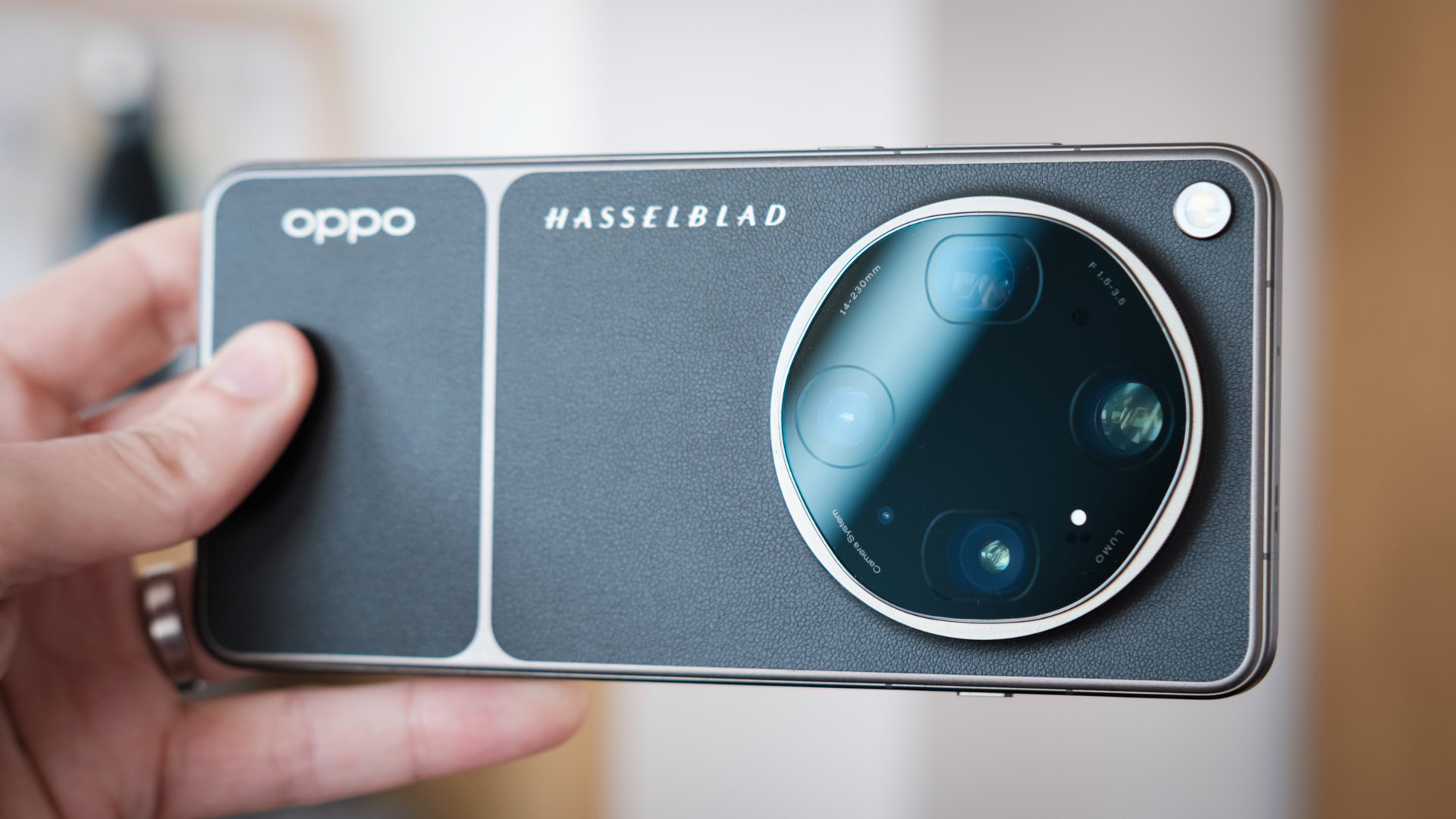
We’ve long been spoiled for choice with amazing camera phones, but right now, only a few models stand head and shoulders above the competition. And no, you won’t find my best picks among household names like Apple, Samsung, or even Google. No, instead phones like the OPPO Find X9 Ultra are setting the new standard for mobile photography.
Not that I have anything against the Pixels, Galaxies, and iPhones out there. They’re all competent shooters and, in the right hands, potentially even great. However, all three are hampered by dated hardware, smaller sensors, and a limited lens selection.
Meanwhile, the very best camera hardware packages are streaming ahead with truly innovative capabilities. LoFIC image sensors for improved low light, variable apertures and focal lengths for more dynamic shooting options, and large 200MP zoom cameras for enhanced detail at a distance.
The new OPPO Find X9 Ultra has a few tricks up its sleeve. With four large, high-resolution cameras in total, it’s one of, if not the most versatile, camera phones on the market. Just check out the specs below. My colleague Paul and I have taken the camera out for a spin this week, and I might just have found my new favorite smartphone shooter.
| Megapixels | Aperture | Focal Length | Sensor | |
|---|---|---|---|---|
|
Main |
Megapixels
200MP |
Aperture
f/1.5 |
Focal Length
23mm |
Sensor
1/1.12-inch Sony LYT-901 |
|
3x zoom |
Megapixels
200MP |
Aperture
f/2.2 |
Focal Length
70mm |
Sensor
1/1.28-inch OmniVision OV52A |
|
10x zoom |
Megapixels
50MP |
Aperture
f/3.5 |
Focal Length
230mm |
Sensor
1/2.75-inch Samsung JNL |
|
Ultrawide |
Megapixels
50MP |
Aperture
f/2.0 |
Focal Length
14mm |
Sensor
1/1.95-inch Sony LYT-600 |
|
Selfie |
Megapixels
50MP |
Aperture
f/2.4 |
Focal Length
21mm |
Sensor
1/2.75-inch Samsung JN5 |
OPPO Find X9 Ultra camera hands-on

Robert Triggs / Android Authority
As you’d expect from any high-priced flagship smartphone camera package, high dynamic range capabilities, fine detail capture, and white balance are top-notch. While Hasselblad’s color science occasionally dials up saturation in some situations (usually with vivid reds and oranges), I think you’ll agree that the overall look is muted realism rather than artificial pop and punch. If you need a bit more saturation, it’s always better to dial it in afterward than try to remove unwanted excess, so I always appreciate this approach.
Color science is generally pretty consistent across all four lenses, though I have observed varying levels of contrast and saturation at the two extremes. The ultrawide can offer up overly vibrant greens and blues, while the 10x zoom can sometimes lean towards underexposure compared with the other lenses, possibly due to its smaller size. This is always a hazard when trying to maintain consistency across different cameras in the same phone package, and the OPPO Find X9 Ultra uses four sensors from three manufacturers. With that in mind, the consistency between shots is surprisingly good.
But thanks to large image sensors, particularly on the main and 3x lenses, the handset performs admirably in low light as well. Colors hold up very well, though fine details can take on a slightly oversharpened look from OPPO’s robust post-processing. On that note, the HDR effect can be a bit strong at night with bright lights, leading to bloom and overly heavy contrast. Details suffer across the board here, except on the main lens, owing to smaller sensors and narrower apertures. The 10x zoom camera remains usable in low light with very steady hands, but the longer shutter times make this a battle you don’t always win.
But I’m splitting hairs here. OPPO has selected four impressive camera sensors and paired them with wide-aperture lenses to cover all the bases with very little compromise. There really isn’t a weak camera on this phone.
Getting closer with 10x zoom
OPPO already had an impressive camera package in the triple-camera Find X9 Pro, so one of the main reasons to move on up to the Ultra is the addition of that new 10x zoom camera. With 50MP on board, a wide-ish aperture, and a reasonably good-sized sensor powering it, this is right up there with the most powerful zoom cameras ever put into a smartphone. It makes the Samsung Galaxy S23 Ultra’s 10x setup look absolutely meek, even if it’s still not quite in the same league as the phone’s 200MP main and 3x sensors.
Still, in daylight, the 10x camera is truly exceptional, delivering colors and impressive details that look every bit as good as those huge snappers OPPO has crammed into the two primary lenses. No irritating jumps in white balance or in dynamic range capabilities here. And this is the OPPO Find X9 Ultra’s real superpower — it’s absolutely effortless to move through the zoom range for maximum versatility. 200MP at 3x also offers plenty of detail, allowing essentially lossless crops at 6x and even beyond, which already covers me for most of my shooting needs.
Still, there’s often something off in the distance to grab, or a picture that would look nicer with tighter framing, and the new 10x lens pays dividends here. Importantly, the quality holds up, ensuring it’s not a gimmick that you can only use when the stars align.
That being said, low light can be a bit hit-or-miss on the 10x lens, often requiring a longer shutter speed and the use of night mode, which doesn’t look as natural as daylight photography. But the phone is no worse than its rivals in that regard, most of which have ditched long-range cameras altogether in recent generations. If I have one other minor complaint with this camera, it’s that the focus distance is quite far, making the 10x a little tricky for close macro. Still, it works just fine if you keep your distance a little, and there’s always the 3x lens and its 6x crop should you need to be physically closer.
Of course, the 70mm focal length of the 3x camera is perfect for portraits too. OPPO’s natural, soft approach to details and color pays dividends here, rivaling the look I aim for on my mirrorless. You don’t even really need to flick on the phone’s portrait mode to get great results, and if anything, the wide f/2.2 aperture already offers bountiful natural bokeh from the 70mm lens, rendering any extra blur unnecessary. Not that the Ultra’s software bokeh looks bad; it’s also one of the best out there. Rather, it’s probably overkill.
The addition of a 10x lens doesn’t directly affect most of the portraits you’d probably want to take. The 230mm focal length is too long for ideal face shapes, and 6x crops from the 3x zoom camera already hold up really well if you need some added distance. Ultimately, this isn’t the lens you’re going to reach for to snap family and friends, at least not without being in the other room. However, this long-range does come in very handy for snapping subjects at range without them being flattened into the background, as is so often the case with other phones. The natural bokeh of the long focal length and decent f/3.5 aperture again means there’s still noticeable separation between your subject and the background, even at a distance. Again, you don’t even need portrait mode to grab that silky-looking blur we all crave.
The OPPO Find X9 Ultra is one of the few phones I’ve used where I haven’t considered using portrait mode. It finally feels like we’re coming full circle with phone hardware, where it’s more than good enough that we don’t need software tricks like artificial lighting and stronger blur to emulate high-end photography. The OPPO Find X9 Ultra still has these options if you want that little extra refinement and control, but I don’t think you’ll need them.
The best camera phone ever made?

Robert Triggs / Android Authority
I’m still playing with all the photo and video capabilities the OPPO Find X9 Ultra offers, but it’s already ranking right near the top of my all-time favorites. Between the sumptuous color profiles, robust details, and stunning portraits, the phone’s extra-long-range capabilities are just the icing on the cake. If there’s one drawback, it’s that all this camera hardware doesn’t come cheap. OPPO’s Ultra will set you back €1,699 (~$2,000) in Europe, and US customers looking to import face even steeper costs.
The OPPO Find X9 Ultra doesn’t stand alone as an absolute photography powerhouse. The slightly lower-cost Pro model remains extremely good, of course, and there’s the mighty Xiaomi 17 Ultra, which packs impressive long-range and portrait capabilities. The vivo X300 Ultra and Pro models are also setting the bar for extreme range photography thanks to their external lens kits.
We really are entering a golden age of smartphone photography. Apple, Google, and Samsung have some serious catching up to do if they want to remain in the conversation about the best camera phones money can buy.
Don’t want to miss the best from Android Authority?


Thank you for being part of our community. Read our Comment Policy before posting.
Post Comment